Why the table matters more than the map
A long-running joke among veterans says that the dungeons are just excuses for the chat. There is more truth in it than they usually admit. In WoW Forever the content is built around groups, and the groups are built around people, which means that the question of whether an evening was good tends to depend less on the encounter than on who stood beside you for it. Before deciding how much of this social side you want in your own routine, it helps to look at it plainly, in both directions.
What follows is a weighing in the old style: the case for, the case against, and a short verdict at the end. No table, no scoring, just two long paragraphs and a conclusion, written by someone who has loved the company in this game and tired of it in equal measure, often in the same week.
The case for company
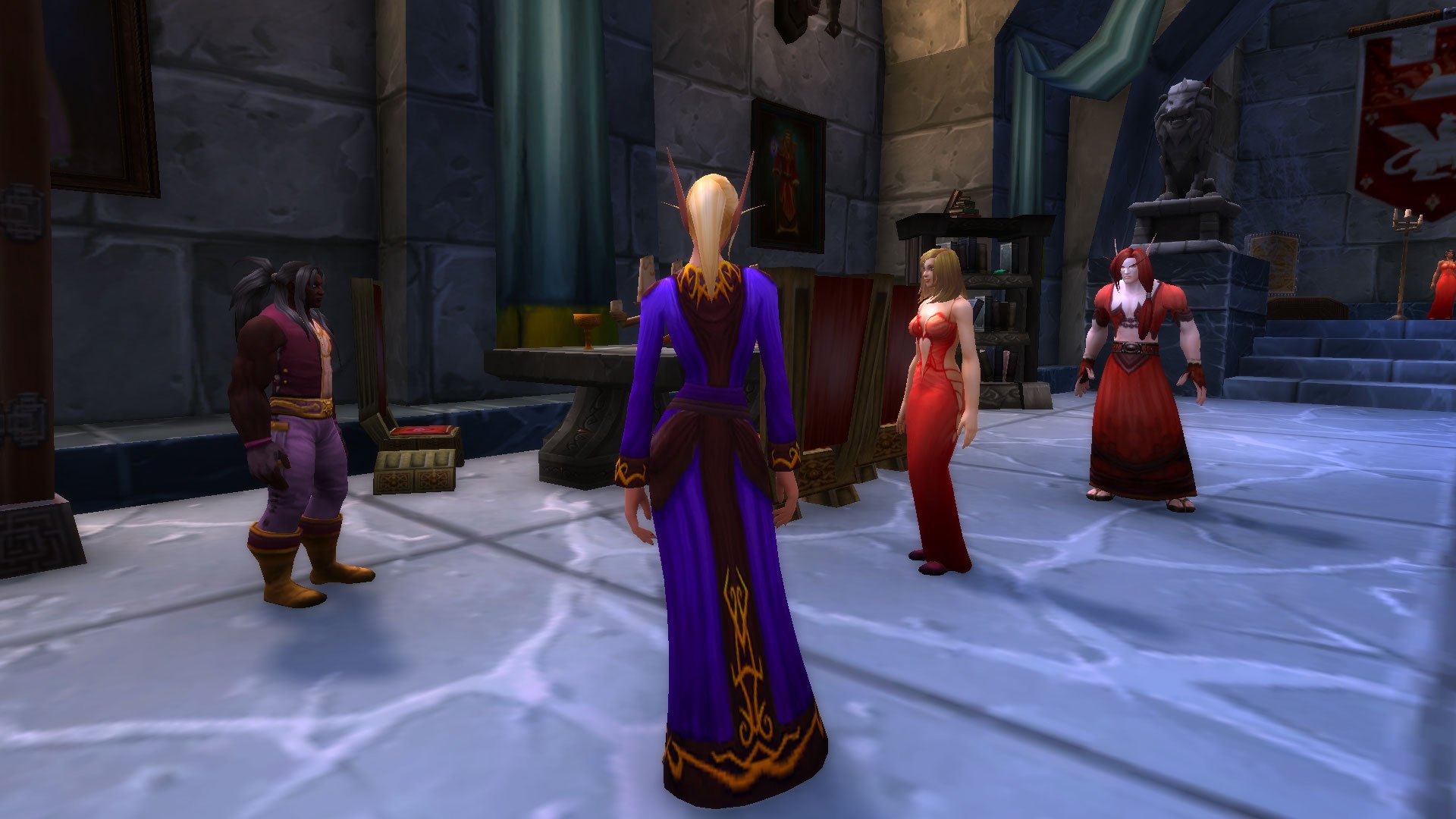
The strongest argument for group content is that it turns a hard game into a shared one. A dungeon that would feel punishing alone becomes a story told by five people, each remembering a different moment, and the story survives long after the loot has been forgotten. Groups teach roles in a way no guide can, because you learn what a healer needs by listening to one, and what a tank is thinking by following one through a corridor. They create obligations that, strangely, make a player return: a guild that expects you on Thursday is a guild you will remember on Wednesday, and many a character that would have been abandoned in the middle levels has been rescued by a friend with a spare evening. There is also the matter of learning speed, since a group that explains its plan out loud teaches newcomers more in one run than a week of solitary experimentation, and a quiet compliment from a stranger after a good pull can colour a whole week. Add the practical advantages of shared materials, shared knowledge of the auction house and the occasional lending of a spare piece of equipment, and the case for company becomes a case for everything that makes the slow pace of the world worth enduring. The people you meet become the reason the road feels shorter, and the memories of long evenings in an unremarkable corridor outlast most of the equipment you ever carried. Even the small rituals count here: the greeting when someone logs in, the shared joke that nobody can explain to outsiders, the way a veteran quietly slips a newcomer a few spare potions before a hard night. These gestures cost nothing and they weave a group together more firmly than any rule could, and they are the reason players who have drifted away from the game for a year often return to the same guild, the same channel and the same faces, as though the evening had only paused. A group also gives a player somewhere to be good, which is a pleasure in its own right, since competence recognised by others feels warmer than competence displayed to nobody.
The case against crowding
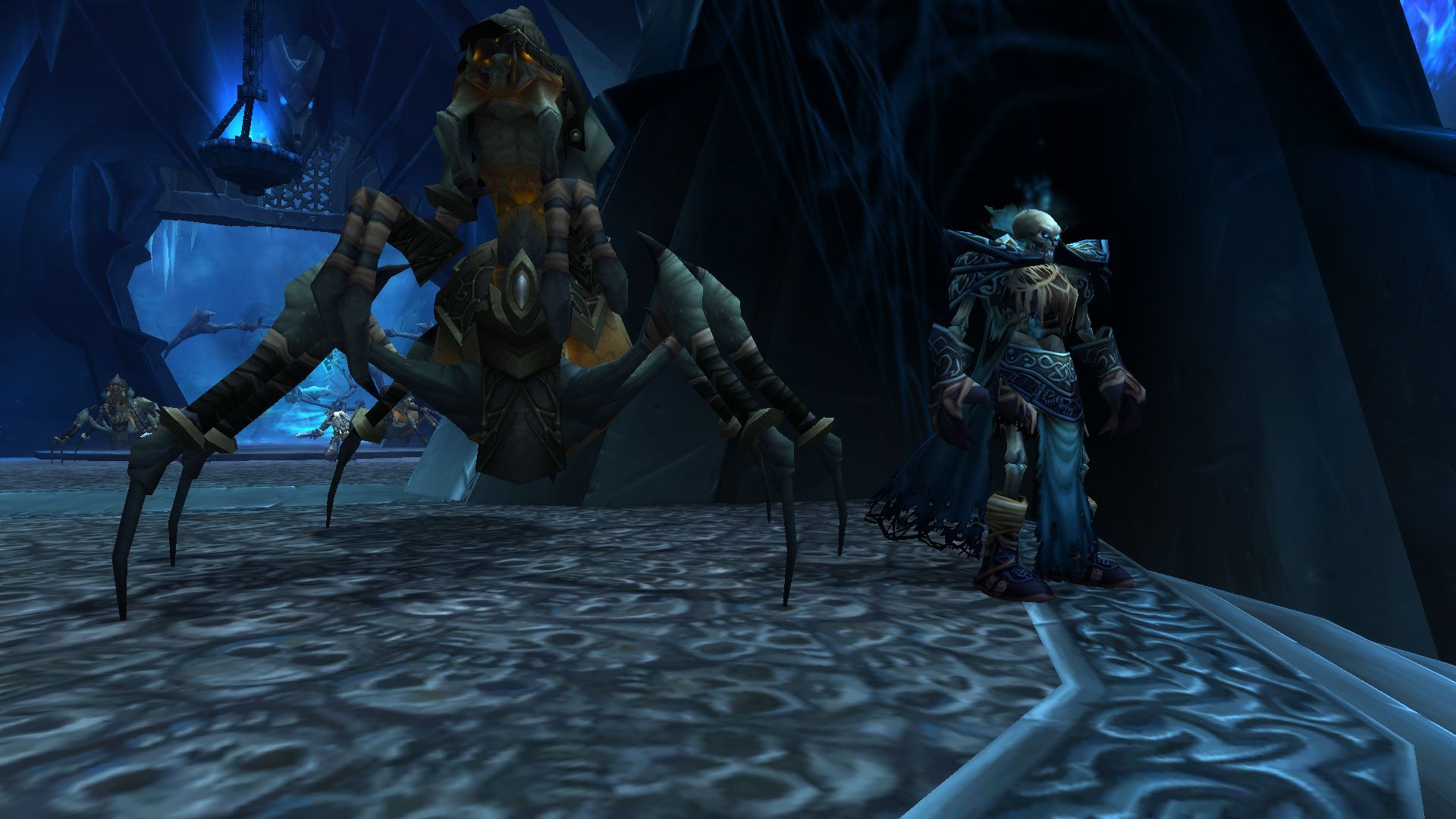
The case against is quieter but real. Group content demands a schedule, and schedules collide with work, family and the ordinary tiredness of a long day. A raid that begins at a fixed hour can turn a hobby into an appointment, and appointments carry the faint smell of obligation. Groups also magnify friction: a single late arrival, a single sulk over loot or a single player who never reads the plan can drain the pleasure out of seven others. Personalities clash, ambitions differ, and the person who wants a swift, efficient evening sits beside the person who wants a long, chatty one, with neither entirely satisfied. There is the further problem of dependence, since a character whose progress rests entirely on a group is at the mercy of that group, and a single member leaving can leave everyone stranded for weeks while a replacement is found. Some players find the constant coordination tiring, and prefer the solitary rhythm of gathering, crafting and wandering, which asks nothing of anyone. Those players are not antisocial; they simply measure a good evening differently, and a game that insists they must raid to be taken seriously will lose them sooner or later. The social cost is not only about time. It is about energy, the small daily labour of reading a chat, answering a question, smoothing a disagreement and remembering who dislikes whom, and on a tired evening that labour can outweigh the fun of the encounter itself. Large groups add a final burden, which is that responsibility spreads thin: when ten people share a plan, each assumes someone else has read it, and a simple mistake gets repeated for an hour because no one wants to be the person who speaks up.
Where the weighing lands
The scales, as always, tip according to the person holding them. For anyone who has spent a few seasons in WoW Forever, the usual answer tends to be a blend: enough group content to feel the shared story, enough solitude to keep the game from becoming a job. Players who thrive tend to build small, reliable circles, a handful of names they trust and a rough weekly rhythm that suits all of them, rather than relying on large crowds or constantly shifting pickup groups.
For those who want the content but cannot always assemble the company, some consider arranged help, and a page like WoW Forever Boost describes one such option in plain terms. It is worth keeping in mind that arranged help solves a scheduling problem, not a friendship one: you may reach the encounter you wanted to see, but the table around which you sit afterwards is still something you build yourself, one evening and one conversation at a time.
My verdict, then, is cautious and warm. Treat group play as the heart of the world and protect it from the things that wear it down: late starts, unspoken plans, loot quarrels and the slow pressure of an unforgiving timetable. Keep a corner of the game for solitude. And when the two come into conflict, choose the evening you will remember, not the one the schedule demands.