The grind has always been one of the defining features of progression. It fuels motivation, shapes long-term goals, and gives players routines that anchor their gameplay experience. But the grind must be carefully managed—too light and it loses meaning; too heavy and it drives players away. The challenge lies in striking a balance that keeps progression addictive without becoming a burden. Over the years, developers have refined this equilibrium, crafting systems that sustain engagement while respecting player endurance.
This article explores how the grind is balanced, revealing the design philosophies that keep progression rewarding without overwhelming the player.
The Psychology Behind Sustainable Progress
Grind-heavy systems rely on psychological pacing. Players need consistent goals that feel achievable, meaningful, and satisfying. Developers use reward curves that deliver small victories frequently while spacing out major milestones to maintain excitement. This structure prevents fatigue by mixing immediate gratification with long-term growth. The grind becomes sustainable because it feels purposeful, not punishing.
Small steps feed motivation; big moments define achievement.
Designing Loops That Reward Without Overloading
The grind is often built around loops that are simple, quick, and repeatable. Daily quests, world events, dungeons, and weekly tasks feed these loops, each offering different forms of progress. These systems keep the game approachable by allowing players to engage in short sessions without feeling left behind. Meanwhile, optional long-term grinds provide depth for players who enjoy extended goals. This layered structure accommodates varied playstyles without leaning too heavily on any single activity.
To understand this balance, here is a breakdown of grind types:
| Grind Type | Duration | Purpose |
|---|---|---|
| Daily tasks | Short-term | Consistent, predictable progress |
| Weekly objectives | Medium-term | Large rewards at steady pace |
| Seasonal systems | Long-term | Deep progression across months |
| Optional grinds | Flexible | Personal goals and prestige items |
Preventing Burnout Through Structured Choice
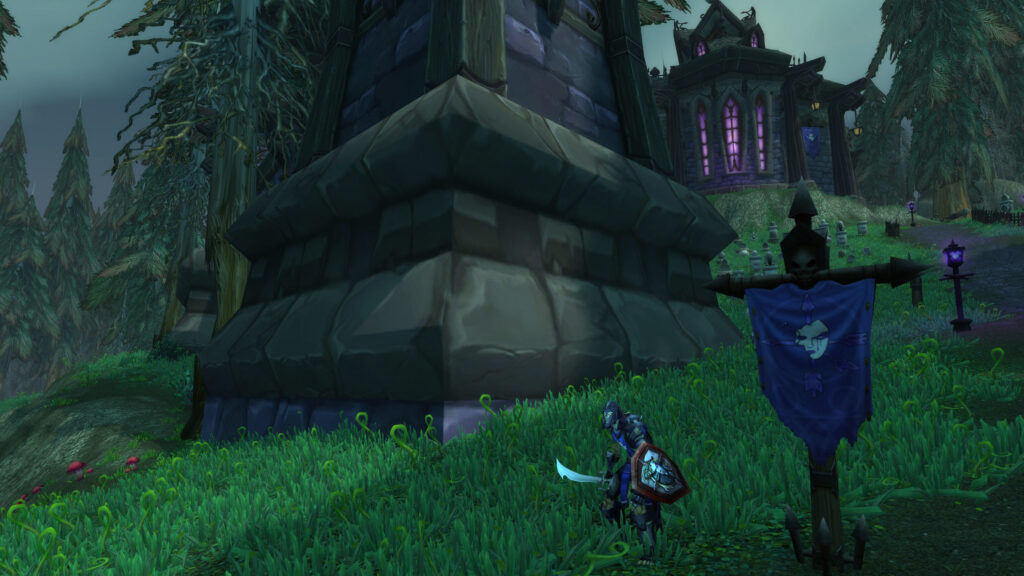
One of the most important design tools is choice. Players must feel that their time is spent intentionally, not dictated by mandatory chores. By offering multiple paths to progress—dungeons, raids, open-world content, crafting—developers allow players to customize their grind. This reduces monotony and gives players control over their experience. Burnout rarely comes from difficulty; it comes from inflexibility. Choice keeps the grind fresh.
Freedom turns repetition into preference.
Balancing Challenge, Efficiency, and Enjoyment
Not all grinds should feel easy. Challenge adds tension, makes rewards feel earned, and heightens emotional payoff. However, challenge must be balanced with efficiency so that progress remains steady even when tasks take effort. The most satisfying grinds blend difficulty with rhythm, giving players moments that test skill without derailing momentum. This balance ensures that progress feels smoothly paced rather than erratic.
Challenge gives the grind meaning; pacing gives it momentum.
Reward Systems That Reinforce Motivation
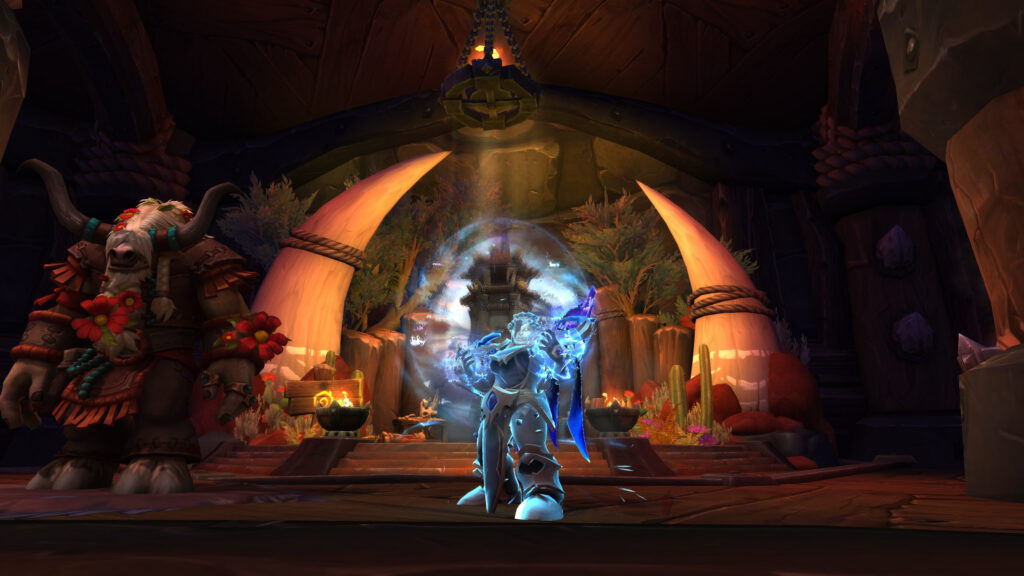
Rewards shape the emotional arc of the grind. Cosmetics, mounts, gear, and achievements each tap into different motivations. Some players chase power, others chase appearance, and some chase legacy. Developers ensure that grinds appeal to this spectrum by mixing reward types and pacing them across multiple layers. This approach helps players feel invested without forcing them into a single track. The grind becomes a journey defined by desire rather than obligation.
Variety keeps motivation alive across seasons and expansions.
Conclusion
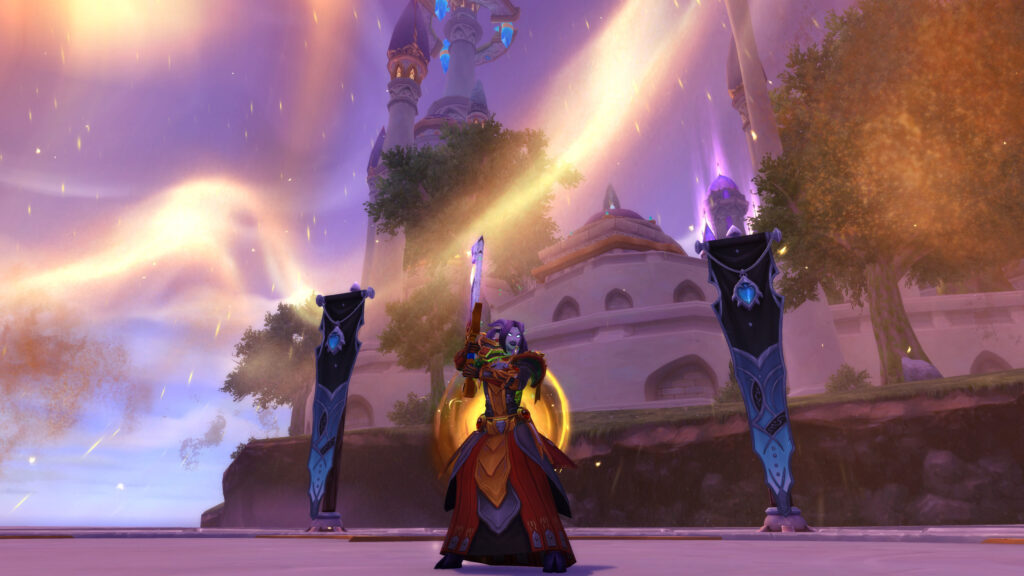
Balancing the grind is both an art and a science. Through careful pacing, meaningful rewards, structured choice, and diverse progression paths, developers create a system that keeps players engaged without overwhelming them. The grind remains addictive because it respects time, taps into core motivations, and offers a sense of growth with every step. When balanced well, it becomes a satisfying cycle—one that keeps players returning not out of duty, but out of genuine enjoyment.