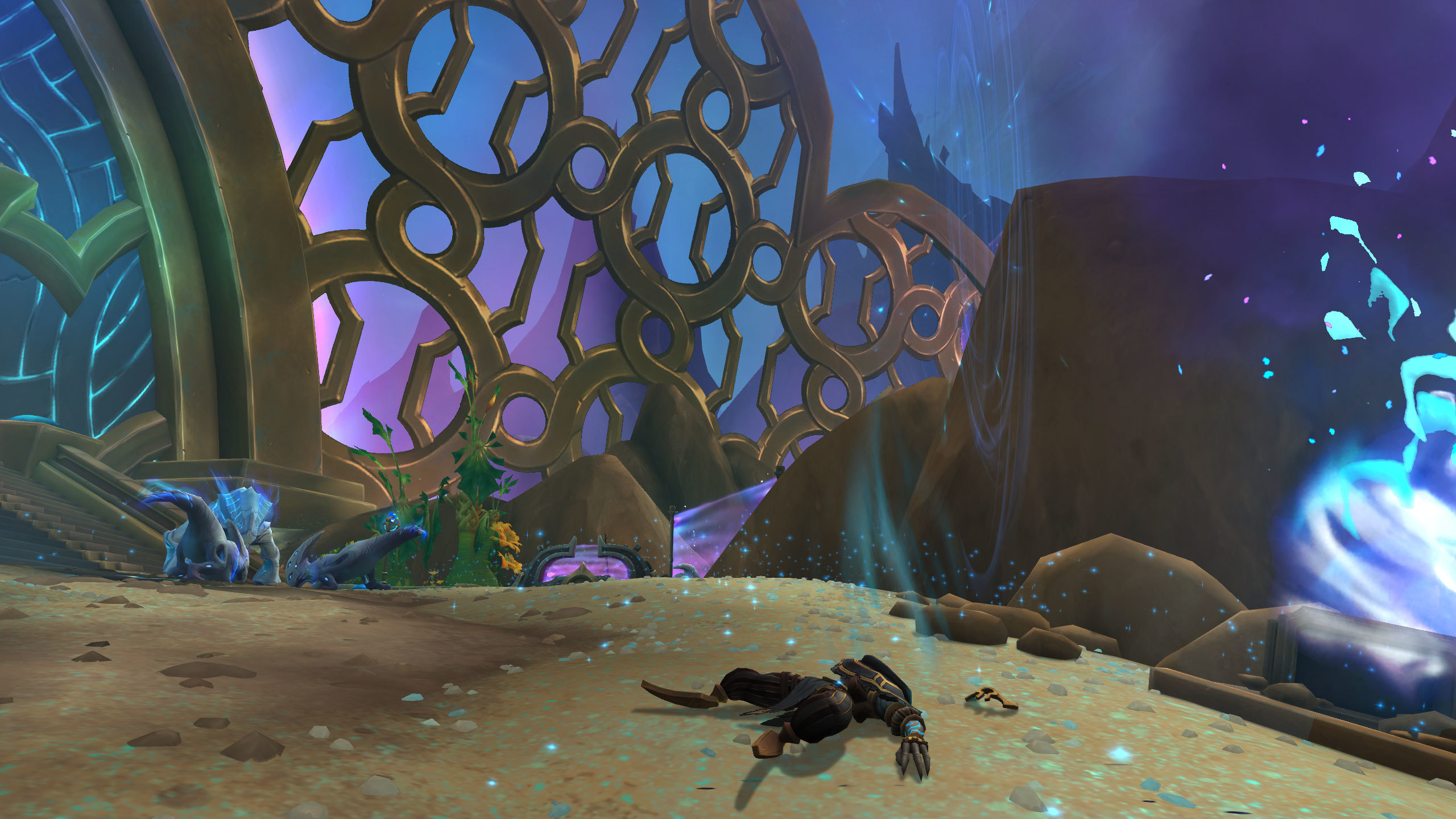
Dungeon boss encounters increasingly rely on overlapping abilities to test group awareness rather than raw numbers. Instead of isolated mechanics, bosses combine movement, damage, and control effects in ways that demand constant attention from every role.
This design approach shifts difficulty away from memorization alone. Groups must recognize how abilities interact in real time and adjust positioning, cooldown usage, and priorities as overlaps occur.
Overlapping Mechanics Multiply Pressure
Single mechanics are rarely dangerous on their own at higher levels. The true threat emerges when two or more abilities overlap, compressing reaction windows and increasing the cost of mistakes.
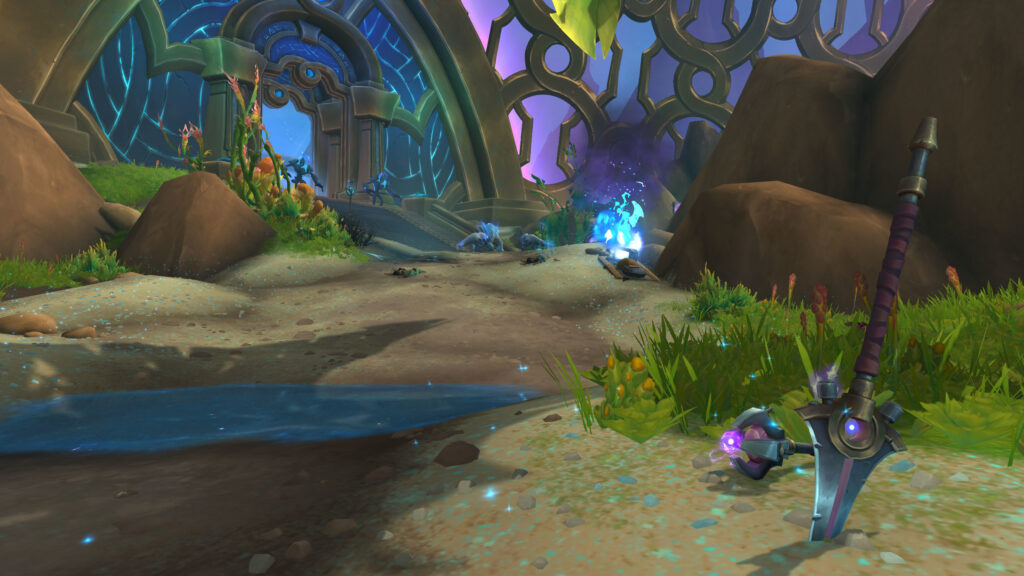
For example, movement requirements combined with incoming damage force players to choose between optimal positioning and immediate survival. Awareness becomes the deciding factor.
Awareness Extends Beyond Individual Survival
Players must track not only their own mechanics, but also how teammates are affected. A single misstep can disrupt the entire group when abilities overlap.
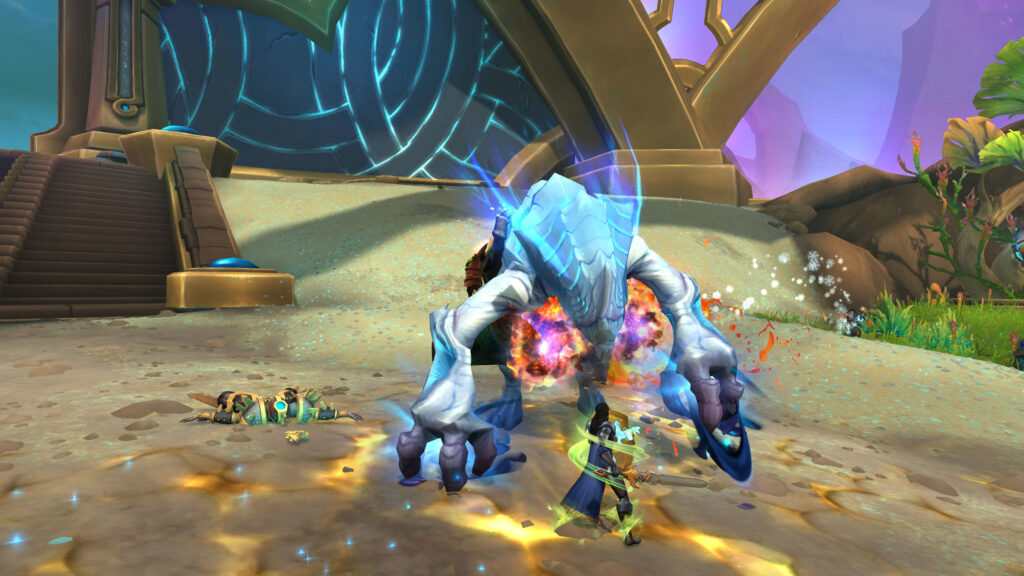
This shared awareness allows groups to adjust collectively, creating space, rotating defensives, or delaying actions to stabilize the situation.
Clean Execution Depends on Anticipation
Groups that anticipate overlaps perform more consistently than those reacting late. Recognizing patterns in ability timing reduces panic decisions.
Anticipation allows players to pre-position, pre-cast defensives, or hold cooldowns specifically for overlap moments.
| Overlap Scenario | Low Awareness Outcome | High Awareness Outcome |
|---|---|---|
| Movement + damage | Late reactions | Pre-positioned safety |
| Control + burst | Forced deaths | Planned defensive use |
| Adds + boss ability | Target confusion | Clear priority swaps |
| Stacked overlaps | Group collapse | Stabilized execution |
Overlap Design Raises Group Skill Ceiling
By layering abilities, encounters reward groups that communicate and stay mentally engaged throughout the fight.
This design raises the skill ceiling without relying on artificial difficulty spikes, making success feel earned through awareness.
Conclusion
Dungeon boss ability overlap tests group awareness by compressing decision-making and amplifying mistakes.
Groups that anticipate interactions and maintain shared awareness handle these overlaps cleanly and progress more reliably.