Class talent node systems increasingly encourage encounter-specific builds instead of one-size-fits-all setups. Rather than locking players into a single optimal configuration, talent trees offer flexible choices tailored to different challenges.
This flexibility transforms preparation into a strategic decision. Players evaluate encounter demands and adjust talents to match mechanics, damage patterns, and utility needs.
Talent Nodes Enable Targeted Adaptation
Individual talent nodes often enhance specific strengths such as mobility, survivability, or burst output. Selecting these nodes changes how a class approaches an encounter.
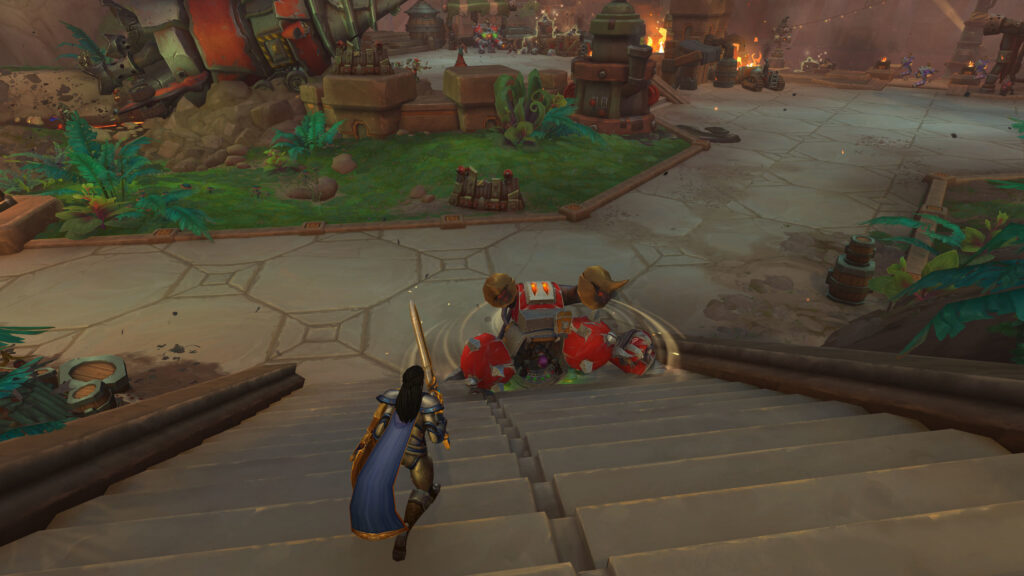
By swapping a few key talents, players can adapt to heavy movement fights, sustained damage phases, or control-heavy environments.
Encounter Demands Shape Build Decisions
Different encounters emphasize different skills. Some reward sustained pressure, while others demand frequent defensive responses or rapid target switching.
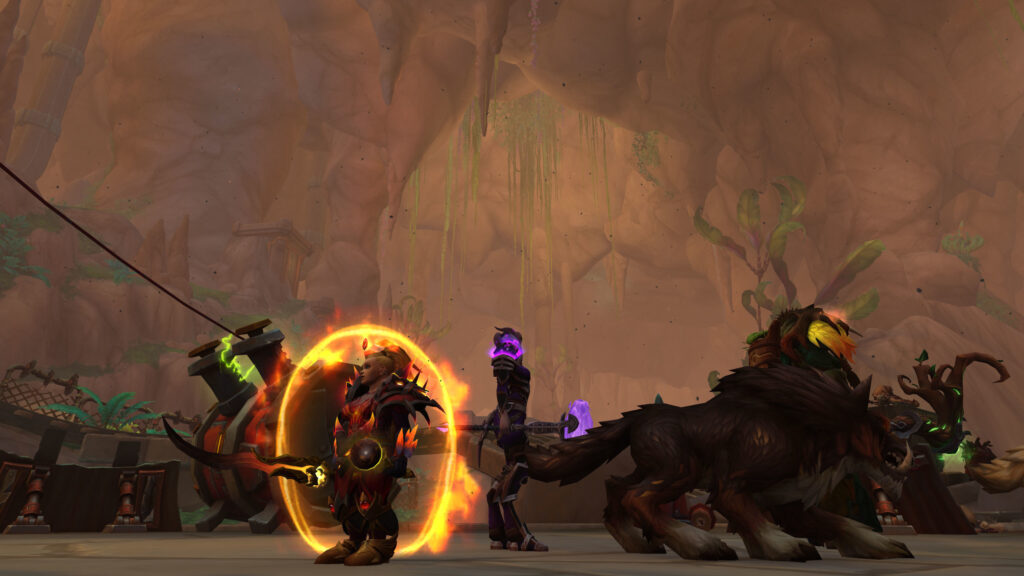
Talent systems allow players to meet these demands directly, turning preparation into a meaningful extension of gameplay.
Build Flexibility Rewards Knowledge and Planning
Players who understand encounters deeply gain more value from flexible talent systems. They know which nodes provide the greatest benefit in specific situations.
This rewards learning and experimentation, encouraging players to refine builds rather than relying on static guides.
| Encounter Type | Talent Focus | Resulting Advantage |
|---|---|---|
| High movement | Mobility nodes | Consistent uptime |
| Burst damage | Defensive talents | Survivability |
| Add-heavy fights | Control talents | Stabilized pulls |
| Long encounters | Efficiency nodes | Sustained output |
Talent Choice Becomes Skill Expression
Choosing the right talents reflects encounter understanding as much as mechanical execution.
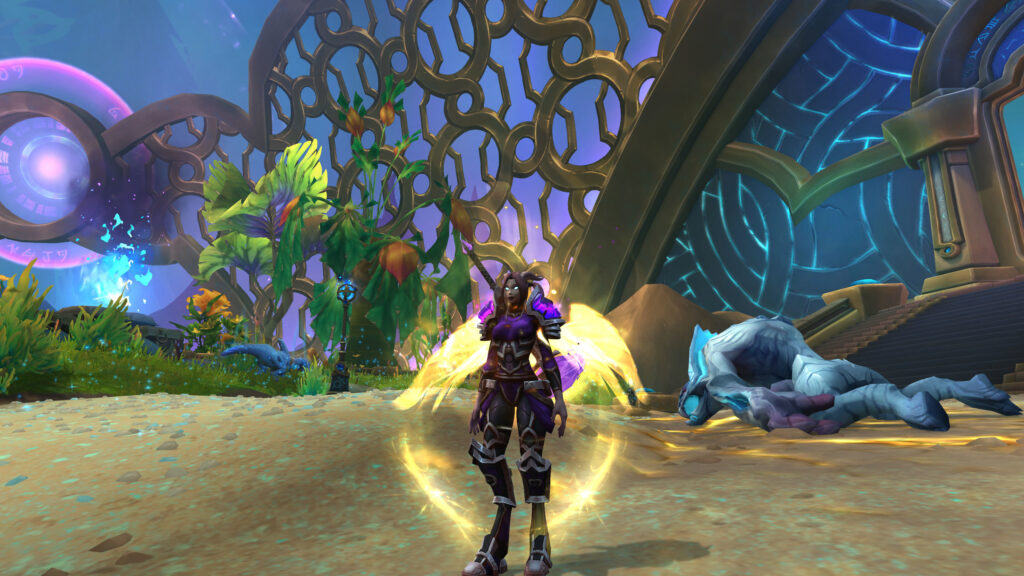
Players who adapt builds intelligently contribute more consistently than those who rely on generic setups.
Conclusion
Class talent nodes encourage encounter-specific builds by rewarding adaptation and preparation.
This system deepens gameplay, turning talent selection into an active part of mastery rather than a one-time decision.